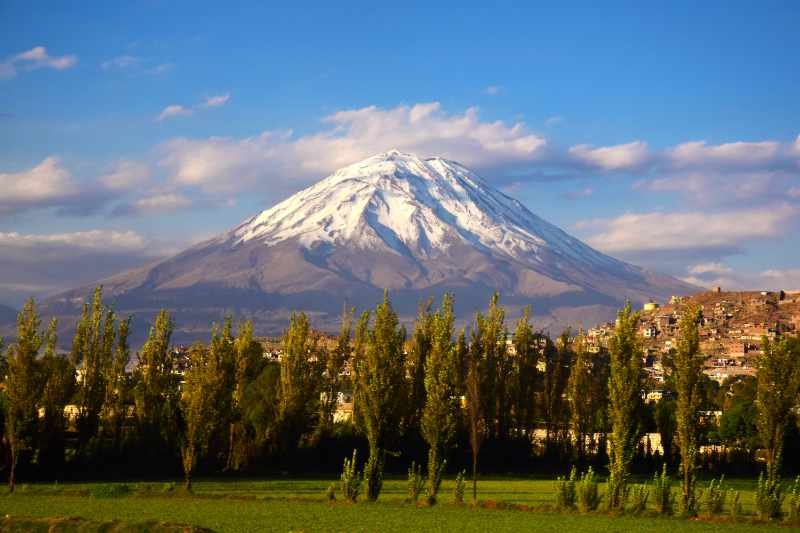
Arequipa's competitive capacity within the MICE sector transcends its historical wealth or its lodging infrastructure; it is fundamentally based on a logistical network that allows for an effective integration of visitors from both the interior of the country and abroad. Currently, the city reaffirms itself as the most important neuralgic node of services and commerce in southern Peru, supported by the technical backing of the Rodríguez Ballón International Airport. As the second busiest air terminal in Peru, this facility guarantees agile transit for convention attendees, directly linking the "White City" with the most relevant corporate tourism source markets and enabling the realization of major encounters with highly efficient transfer schedules.
A critical factor that tips the scales in favor of Arequipa in the decision-making process of event organizers is the notable efficiency of its urban operational dynamics. Contrasting with the reality of other large cities, approximately 70% of hotel establishments specialized in the business segment are strategically located within a radius of no more than 15 minutes from the convention venues and the historical heart of the city. This geographical proximity not only translates into a substantial reduction in budgets allocated for transportation and travel but also ensures that attendees enjoy dynamic mobility between academic sessions, negotiation tables, and professional networking meetings taking place in the urban environment.
Furthermore, Arequipa's geographical location functions as a value enhancer for complementary proposals following the conclusion of events. By positioning itself as the natural gateway to destinations of international prestige, such as the Colca Valley and Canyon—which annually receives nearly 300,000 tourists—the region provides coordinators with the possibility of structuring incentive, health, and adventure programs that are highly popular in contemporary international demand. This ability to merge a demanding technical program with tourism extensions of profound experiential impact not only improves the destination's positioning in the visitor's memory but also increases the overall indicators of success and participant satisfaction.
Finally, the regional logistical framework is strengthened by a solid supply chain and local professionals who are experts in the areas of production, technical infrastructure, and multimedia services, ensuring that each project is executed under rigorous parameters of global quality. The combination of a functional aerial network, optimized urban mobility logistics, and an ideal geographical situation for experiential tourism turns Arequipa into a strategic, reliable, and high-level professional setting for the organization of events of both continental and global significance.